

Microdosing Psilocybin: Benefits, Risks & Evidence
💬 Join Telegram Group for ⭐ Reviews & 🔔 Updates Microdosing Psilocybin: Benefits, Risks, and
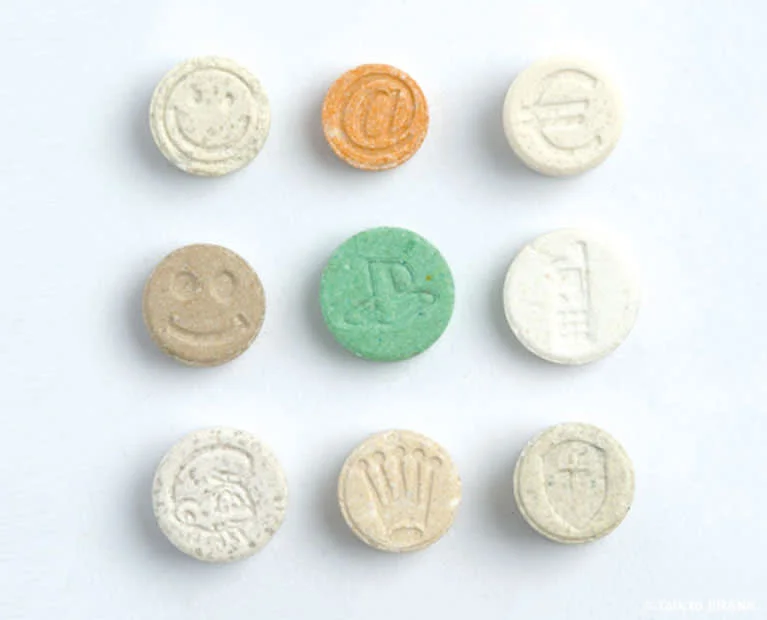
Ecstasy, also known as MDMA, is a synthetic psychoactive substance commonly associated with nightlife and music festival culture. While often perceived as a “party drug,” ecstasy has complex effects on the brain and body and carries significant health risks, especially when used outside controlled environments.
This article explains what ecstasy is, how it works, why people use it, and the short- and long-term risks, based on current scientific understanding.
Ecstasy is the street name for MDMA (3,4-methylenedioxymethamphetamine), a synthetic drug that acts as both:
It is most commonly found as:
Importantly, many products sold as ecstasy do not contain pure MDMA and may include other dangerous substances.
MDMA primarily affects neurotransmitters involved in mood and emotion:
MDMA causes a large release of serotonin, which explains:
After the drug wears off, serotonin levels can drop sharply, leading to negative after-effects.
People may experience:
Physical effects can include:
Ecstasy is commonly used for:
In clinical research settings (not recreational use), MDMA is being studied for potential therapeutic applications, but this occurs under strict medical supervision and does not apply to street use.
MDMA interferes with the body’s ability to regulate temperature, increasing the risk of:
Many ecstasy pills contain:
This unpredictability greatly increases overdose risk.
MDMA can:
Repeated use may affect emotional regulation long-term.
Research suggests that heavy or frequent MDMA use may:
The extent of long-term damage varies but remains a serious concern.
Ecstasy is especially dangerous when combined with:
These combinations increase the risk of serotonin syndrome, a potentially fatal condition.
Potential long-term effects include:
Not everyone experiences long-term harm, but risks increase with frequent use.
Clinical research does not change the legal status of recreational use.
While not encouraging use, public health education emphasizes:
Education saves lives.
Ecstasy (MDMA) is a powerful psychoactive substance with both psychological and physical effects. While it may temporarily enhance mood and social connection, it also carries real risks, especially due to adulterated products, overheating, and mental health impacts.
Understanding how ecstasy works, why people use it, and the dangers involved is essential for making informed decisions and reducing harm.
💬 Join Telegram Group for ⭐ Reviews & 🔔 Updates Microdosing Psilocybin: Benefits, Risks, and
💬 Join Telegram Group for ⭐ Reviews & 🔔 Updates Can You Buy Ritalin in
💬 Join Telegram Group for ⭐ Reviews & 🔔 Updates Can You Buy Ritalin Online
WhatsApp us