
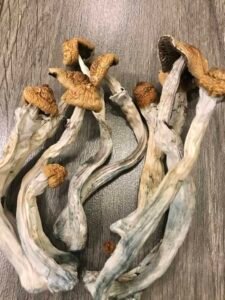
Buy Penis Envy Psilocybin Mushrooms UK | Premium Psychedelic Mushrooms
💬 Join Telegram Group for ⭐ Reviews & 🔔 Updates Introduction In the ever-evolving world

Interest in the mental health effects of magic mushrooms has risen sharply in recent years, driven by clinical research exploring psilocybin’s impact on brain function and emotional wellbeing. Studies suggest that when administered in controlled therapeutic settings, psilocybin — the active compound in magic mushrooms — may offer benefits for conditions like anxiety, depression, stress, and PTSD.
In the UK, psilocybin remains a controlled substance in 2026, and research use requires specialised licences. Nonetheless, the science emerging from controlled trials provides meaningful insight into why many people are curious about these compounds.
Magic mushrooms are fungi that contain psilocybin, which the body converts into psilocin after ingestion. Psilocin interacts with serotonin receptors in the brain — particularly the 5-HT2A receptor — which plays a central role in mood regulation, emotion, and cognition.
Research suggests that this interaction can temporarily alter brain network dynamics and increase flexibility in information processing, which may help “reset” rigid or distressing patterns of thought.
Note: These effects are documented in research settings with therapeutic support.
Stress often involves entrenched negative thought cycles and high physiological arousal. Psilocybin may:
While promising, changes are usually seen in structured clinical frameworks rather than casual or recreational use.
Emerging studies have explored psilocybin in PTSD contexts, with findings suggesting:
Psilocybin may help individuals approach trauma-related memories with less fear, fostering integration with therapeutic support.
One popular research explanation is the “reset effect”:
This is one reason psilocybin is being studied for depression and PTSD specifically.
Some reported outcomes from structured experiences include greater:
These are not clinical claims but reflect themes seen across controlled research reports.
The benefits described above come from therapeutic protocols, including:
Self-medication with uncontrolled products is neither advised nor legal in the UK.
Research centres in the UK and Europe are examining psilocybin for:
These studies are tightly regulated and do not offer general consumer access.
| Condition | Observed Potential Benefits (Research Context) |
|---|---|
| Depression | Rapid symptom reduction, enhanced mood flexibility |
| Anxiety | Decreased severity, improved emotional processing |
| Stress | Reduced rumination, greater resilience |
| PTSD | Enhanced trauma integration, reduced avoidance |
| Emotional Wellbeing | Increased insight, emotional openness |
Note: These effects are documented in controlled, supervised clinical settings, not from casual or unlawful use.
Scientific research into magic mushrooms (psilocybin) for anxiety, depression, stress, and PTSD is yielding intriguing results, especially in structured therapeutic contexts. However, this does not convert into legal access for personal treatment in the UK as of 2026.
Understanding both the potential benefits and the legal/safety realities is essential for anyone exploring this topic.
psilocybin benefits research, magic mushrooms anxiety uk, psilocybin depression treatment, stress reduction psilocybin, PTSD psilocybin therapy, psychedelic science uk, psychedelic research uk, legal status psilocybin uk, mental health alternative therapies
💬 Join Telegram Group for ⭐ Reviews & 🔔 Updates Introduction In the ever-evolving world
💬 Join Telegram Group for ⭐ Reviews & 🔔 Updates Introduction The search for methamphetamine,

💬 Join Telegram Group for ⭐ Reviews & 🔔 Updates Introduction The curiosity surrounding Golden
WhatsApp us