
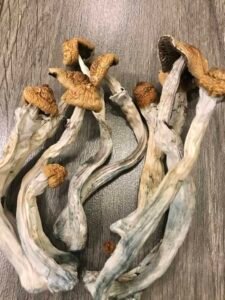
Buy Penis Envy Psilocybin Mushrooms UK | Premium Psychedelic Mushrooms
💬 Join Telegram Group for ⭐ Reviews & 🔔 Updates Introduction In the ever-evolving world

Magic mushrooms, also known as psilocybin mushrooms, have been used for centuries in cultural and spiritual contexts. In recent years, they have attracted renewed scientific interest for their potential effects on mental health, brain function, and emotional well-being.
At the same time, magic mushrooms are powerful psychoactive substances that can cause significant side effects and are illegal in many countries, including the UK.
This article provides a balanced, evidence-based overview of both the potential benefits and known risks, based on current research.
Magic mushrooms contain psilocybin, a naturally occurring psychedelic compound. When consumed, psilocybin is converted into psilocin, which affects serotonin receptors in the brain.
Psilocybin influences:
Effects vary widely depending on the individual, setting, and psychological state.
⚠️ Important: These benefits are based on clinical research in controlled settings. Psilocybin is not an approved medical treatment for self-use.
Studies have explored psilocybin-assisted therapy for:
Some participants report:
Psilocybin may:
These effects are typically observed when combined with professional psychological support.
Research suggests psilocybin may:
This may explain reported improvements in flexibility of thinking and creativity.
Some individuals report:
These experiences are subjective and not guaranteed.
Common short-term effects include:
These effects can be intensified in unfamiliar or stressful environments.
Psilocybin can cause:
People with a history of:
Although research suggests psilocybin is not physically addictive, potential long-term risks include:
Long-term outcomes vary and are still being studied.
Outside clinical settings, risks increase due to:
Some toxic mushrooms closely resemble psilocybin mushrooms and can cause serious illness or death if misidentified.
Legal consequences apply regardless of form (raw, chocolate, capsules, oils).
Public health education emphasizes:
Education does not equal endorsement — it reduces harm.
It’s important to distinguish:
Positive research outcomes do not translate to safe self-treatment.
Magic mushrooms show promising potential in scientific research, particularly for mental health applications under controlled conditions. However, they also carry real psychological, physical, and legal risks, especially when used outside medical settings.
Understanding both the benefits and side effects allows for informed discussion — without misinformation or false claims.
💬 Join Telegram Group for ⭐ Reviews & 🔔 Updates Introduction In the ever-evolving world
💬 Join Telegram Group for ⭐ Reviews & 🔔 Updates Introduction The search for methamphetamine,

💬 Join Telegram Group for ⭐ Reviews & 🔔 Updates Introduction The curiosity surrounding Golden
WhatsApp us