
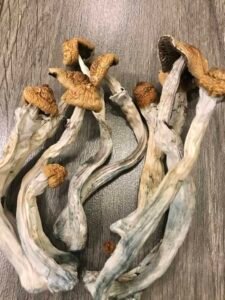
Buy Penis Envy Psilocybin Mushrooms UK | Premium Psychedelic Mushrooms
💬 Join Telegram Group for ⭐ Reviews & 🔔 Updates Introduction In the ever-evolving world

Psilocybin, the active compound found in magic mushrooms, has re-emerged as a major focus of scientific research in neuroscience and mental health. Leading universities and medical institutions are studying how psilocybin affects the brain, emotions, and overall psychological well-being.
While psilocybin is not an approved medical treatment and remains illegal in many countries, research suggests it may offer significant health-related benefits when used in controlled clinical settings.
This article explains those potential benefits, backed by current science.
Psilocybin is a naturally occurring psychedelic compound that converts into psilocin in the body. Psilocin interacts primarily with serotonin (5-HT2A) receptors, influencing mood, perception, and cognition.
Its effects extend beyond temporary perception changes and appear to involve long-lasting brain and psychological processes.
⚠️ Important: All benefits listed below come from clinical or academic research under medical supervision. Psilocybin is not approved for self-treatment.
One of the strongest research areas shows psilocybin-assisted therapy may:
Some studies suggest psilocybin may work differently than daily antidepressants by resetting maladaptive brain patterns.
Psilocybin research indicates potential benefits for:
Participants often report reduced anxiety and increased emotional resilience after structured therapeutic use.
Early studies suggest psilocybin may help:
⚠️ Research is ongoing and not yet conclusive.
Psilocybin may support:
These effects are commonly reported in therapeutic settings.
Neuroscience research shows psilocybin may:
This may explain why psychological benefits can persist long after a single session.
Studies are exploring psilocybin for:
Early results suggest it may help individuals break deeply ingrained habits when combined with therapy.
Many participants report:
These effects are linked to improved mental well-being rather than intoxication.
In palliative care research, psilocybin has shown potential to:
This area has some of the strongest clinical evidence to date.
Psilocybin is not known to cause organ damage or physical addiction, but it can cause:
These effects are usually short-lived but can be uncomfortable.
Psilocybin is not safe for everyone.
Higher risk groups include people with:
Adverse reactions may include:
This is why medical screening is essential in research settings.
It’s critical to distinguish between:
Health benefits seen in research do not translate to unsupervised use.
Scientific research suggests psilocybin may offer meaningful health benefits, particularly for mental and emotional well-being, when used responsibly in clinical settings. These benefits appear to stem from its ability to enhance neuroplasticity, emotional processing, and psychological insight.
💬 Join Telegram Group for ⭐ Reviews & 🔔 Updates Introduction In the ever-evolving world
💬 Join Telegram Group for ⭐ Reviews & 🔔 Updates Introduction The search for methamphetamine,

💬 Join Telegram Group for ⭐ Reviews & 🔔 Updates Introduction The curiosity surrounding Golden
WhatsApp us