
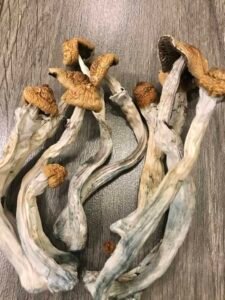
Buy Penis Envy Psilocybin Mushrooms UK | Premium Psychedelic Mushrooms
💬 Join Telegram Group for ⭐ Reviews & 🔔 Updates Introduction In the ever-evolving world

⚠️ Important: The benefits listed below are based on clinical and academic research in controlled settings. Psilocybin is not an approved self-treatment and remains illegal in many countries, including the UK.
Clinical studies suggest psilocybin-assisted therapy may:
Research indicates potential benefits for:
Effects appear strongest when combined with psychotherapy.
Psilocybin may help individuals:
Neuroscience research shows psilocybin may:
This may explain lasting psychological changes after guided sessions.
Studies suggest psilocybin can:
This is relevant to research into depression and OCD-related conditions.
Early-stage research explores psilocybin for:
⚠️ Research is ongoing and not conclusive.
Participants in studies often report:
These effects are subjective but commonly reported.
Research in palliative care settings shows psilocybin may:
Some studies explore psilocybin-assisted therapy for:
Results are promising but still under investigation.
Psilocybin may:
These effects are often linked to long-term psychological insight.
Research suggests psilocybin mushrooms may offer meaningful psychological and neurological benefits when used in controlled, therapeutic environments. However, legal restrictions, mental health risks, and the need for professional supervision remain critical considerations.
💬 Join Telegram Group for ⭐ Reviews & 🔔 Updates Introduction In the ever-evolving world
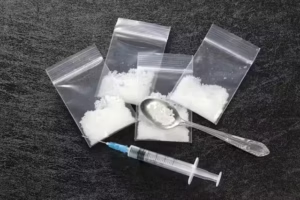
💬 Join Telegram Group for ⭐ Reviews & 🔔 Updates Introduction The search for methamphetamine,
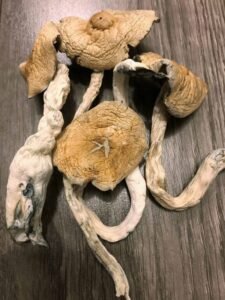
💬 Join Telegram Group for ⭐ Reviews & 🔔 Updates Introduction The curiosity surrounding Golden
WhatsApp us