

Buy Penis Envy Psilocybin Mushrooms UK | Premium Psychedelic Mushrooms
💬 Join Telegram Group for ⭐ Reviews & 🔔 Updates Introduction In the ever-evolving world
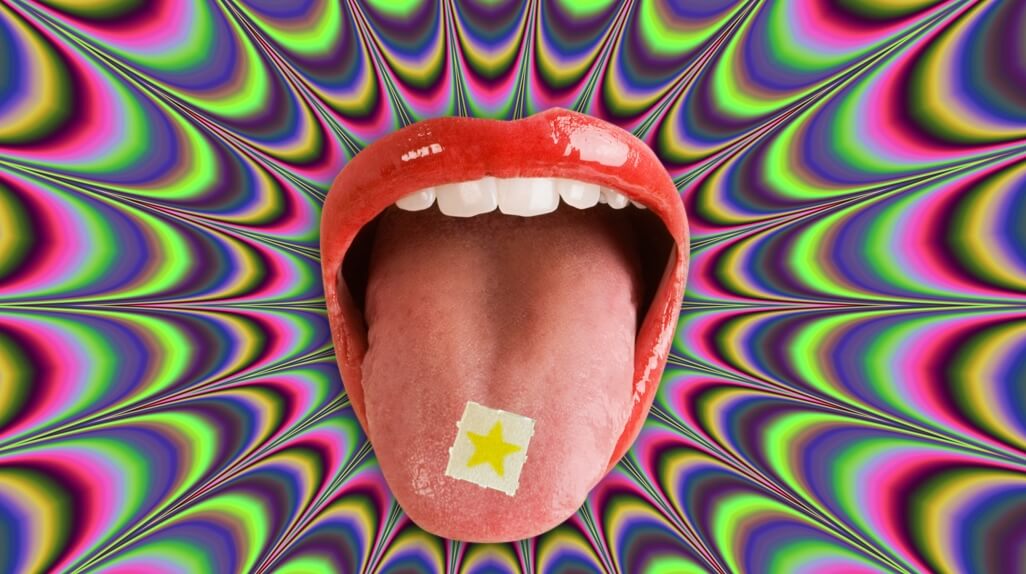
The world of psychedelic therapy has seen a resurgence in interest, particularly in Europe and the UK. Whether you’re seeking therapeutic benefits, spiritual exploration, or simply curious about the potential of psychedelics, understanding how to safely and legally access these treatments is crucial. This guide will walk you through everything you need to know about psychedelic therapy in Europe and the UK, including its benefits, safety considerations, and how to get started.
Psychedelic therapy involves the use of psychedelic substances, such as psilocybin, LSD, and MDMA, in a controlled therapeutic setting. These substances have been studied for their potential to treat a variety of mental health conditions, including depression, anxiety, PTSD, and end-of-life distress. The therapeutic use of psychedelics dates back to ancient cultures, but modern research has renewed interest in their potential benefits.
Psychedelic therapy typically involves several key components:
Psychedelic therapy works by altering the brain’s neurochemistry, particularly the serotonin system. Psilocybin, for example, is converted into psilocin in the body, which then binds to serotonin receptors. This interaction can lead to profound changes in perception, mood, and cognitive processes. The therapeutic effects are believed to arise from the combination of the drug’s pharmacological action and the psychological support provided during the session.
Psychedelic therapy has shown promising results in treating various mental health conditions. Some of the key benefits include:
While psychedelic therapy offers potential benefits, it’s essential to be aware of the safety risks and legal considerations. In the UK and Europe, the possession and use of psychedelics are generally illegal, but some countries have decriminalized or legalized their use for therapeutic purposes. It’s crucial to stay informed about the legal status in your specific location.
For those interested in exploring psychedelic therapy, it’s important to consult with a healthcare professional and ensure that any treatment is conducted in a legal and safe manner. For more information on the legal status of psychedelics in Europe, you can refer to resources like Psychedelics Delivery.
If you’re considering psychedelic therapy, it’s important to approach the experience with caution and preparation. Here are some steps to help you get started:
For those looking to order now or explore more, visit our shop for a variety of high-quality psychedelic products and related resources.
Avoid these common mistakes to ensure a safe and positive experience:
The legal status of psychedelics varies by country. In the UK, psychedelics are classified as Class A drugs, making their possession and use illegal. However, some countries in Europe have decriminalized or legalized their use for therapeutic purposes. Always check the local laws before purchasing or using psychedelics.
Safety depends on several factors, including your personal health, the substance used, and the environment in which it is administered. Always consult with a healthcare professional before beginning any form of psychedelic therapy. Ensure that the therapy is conducted in a legal and controlled setting.
Psychedelic therapy has shown potential in treating various mental health conditions, including depression, anxiety, PTSD, and end-of-life distress. It can also offer spiritual and personal growth experiences.
Choosing the right substance depends on your therapeutic goals and personal health. Common substances used in therapy include psilocybin, LSD, and MDMA. Research different substances and consult with a healthcare professional to determine the best option for you.
If you experience a bad trip, stay calm and remind yourself that the effects are temporary. Focus on your breathing, stay hydrated, and seek support from a trusted friend or guide. If symptoms persist, seek medical attention.
Yes, psychedelic therapy has shown potential in therapeutic settings, particularly for treating mental health conditions. However, therapeutic use should always be guided by a qualified professional.
Store psychedelic substances in a cool, dry place away from direct sunlight. Use an airtight container to maintain freshness and potency. Avoid storing them in the refrigerator or freezer, as this can degrade their quality.
High-quality psychedelic products should be fresh, free of contaminants, and properly labeled with strain information and dosage guidelines. Always purchase from a reputable source to ensure safety and quality.
Psychedelic therapy offers a range of potential benefits, from therapeutic applications to spiritual and personal growth. However, it’s crucial to approach their use with caution, understanding the legal and safety considerations involved. If you’re interested in exploring the world of psychedelic therapy, start by educating yourself and ensuring you have a safe and supportive environment. For those ready to shop now or explore more, visit our shop for a variety of high-quality psychedelic products and related resources.
💬 Join Telegram Group for ⭐ Reviews & 🔔 Updates Introduction In the ever-evolving world

💬 Join Telegram Group for ⭐ Reviews & 🔔 Updates Introduction The search for methamphetamine,

💬 Join Telegram Group for ⭐ Reviews & 🔔 Updates Introduction The curiosity surrounding Golden
WhatsApp us