

Microdosing Psilocybin: Benefits, Risks & Evidence
💬 Join Telegram Group for ⭐ Reviews & 🔔 Updates Microdosing Psilocybin: Benefits, Risks, and

If you searched “I’m struggling with social anxiety disorder, help me find a doctor”, the most important thing to know is this:
Social anxiety disorder is treatable, and you do not have to figure it out alone.
People often spend months trying to push through symptoms before seeking support. Finding a doctor is not about proving symptoms are severe enough—it is about getting evaluated and discussing options.
For general wellness education and mental health learning resources:
Explore health and wellness resources
Social anxiety disorder goes beyond shyness.
It may involve:
People often describe feeling stuck between wanting connection and wanting to avoid attention.
Learn more through trusted health information:
Your GP can:
You may be referred to:
Pharmacists cannot diagnose social anxiety disorder but may help explain support options and when to seek medical review.
Many people delay treatment because they worry about what to say.
Typical questions include:
You do not need perfect answers.
Treatment plans vary.
Common approaches may include:
When appropriate, clinicians may discuss medication options.
Only a qualified clinician can recommend what fits your situation.
Try this script:
“I think I may have social anxiety disorder and I’d like an appointment to talk about symptoms.”
That is enough to start.
Some people explore broader wellness education and discussions around mental wellbeing:
These resources are educational and not substitutes for professional care.
Many people improve with structured support and treatment.
Not always. Treatment depends on symptoms and clinical assessment.
Many people discuss therapy options with clinicians.
Symptoms can change over time with support.
Consider starting with phone or online consultation options if available.
Start with a GP or licensed mental health referral pathway.
Reading symptoms may help awareness, but diagnosis should come from a professional.
Healthcare professionals see anxiety concerns regularly.
Public and private pathways vary depending on location.
If symptoms affect daily life, earlier assessment is often helpful.
If social situations feel exhausting, overwhelming, or impossible, finding a doctor is a practical next step—not a last resort.
Start with one appointment, one message, or one conversation.
Learn more about wellness education:
MedicalWebPage + Article + FAQ Schema
Here is your ready-to-post social caption:
Struggling with social anxiety disorder? Learn practical ways to find a doctor in the UK and EU, understand treatment pathways, and take the first step toward support.
💬 Join Telegram Group for ⭐ Reviews & 🔔 Updates Microdosing Psilocybin: Benefits, Risks, and
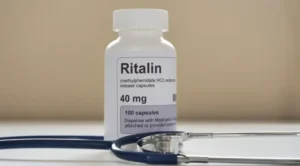
💬 Join Telegram Group for ⭐ Reviews & 🔔 Updates Can You Buy Ritalin in
💬 Join Telegram Group for ⭐ Reviews & 🔔 Updates Can You Buy Ritalin Online
WhatsApp us