

Microdosing Psilocybin: Benefits, Risks & Evidence
💬 Join Telegram Group for ⭐ Reviews & 🔔 Updates Microdosing Psilocybin: Benefits, Risks, and
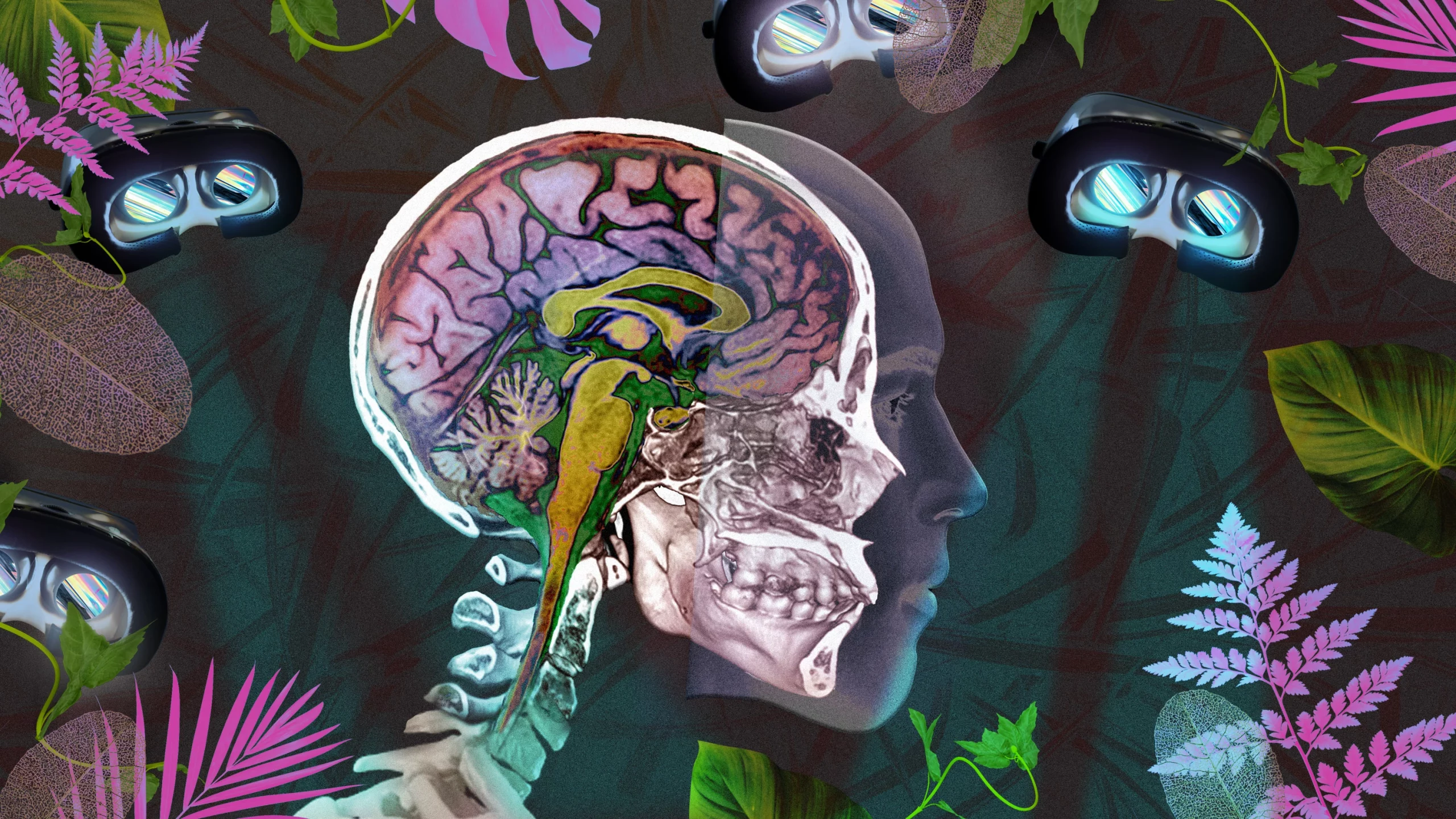
Across the world, LSD (lysergic acid diethylamide) holds different meanings and histories. While some cultures link it to art, spirituality, and self-discovery, others recognize its risks and emphasize mental-health recovery. In regions such as the UK, Ireland, Europe, and the USA, cultural, social, and legal attitudes toward LSD continue to evolve.
Understanding these differences helps us build informed conversations about mental health, substance use, and safe recovery options. For those seeking support, Skywood Recovery encourages individuals to explore verified educational resources and professional help.
Explore mental-health and recovery support at [trusted resource.buy lsd uk
LSD is a synthetic hallucinogen first synthesized in 1938 by Swiss chemist Albert Hofmann. It is known for its ability to alter perception, mood, and cognition.
While the substance became infamous during the counterculture movements of the 1960s, modern research and cultural attitudes now focus on understanding both its potential therapeutic benefits and the risks associated with misuse.
LSD has had a complex journey in Western societies. In the 1960s and 1970s, it became a symbol of rebellion and artistic expression. Thinkers, musicians, and psychologists began exploring LSD for creativity and consciousness expansion.
Today, the conversation has shifted. Western culture — particularly in the UK and USA — focuses more on responsible mental-health education and scientific research rather than recreation.
Learn more about recovery programs and safe mental-health guidance at [Skywood Recovery Information Portal .
In the United Kingdom and Ireland, LSD remains a Class A controlled substance, meaning it is illegal to produce, possess, or distribute. However, the conversation about psychedelics is gradually shifting toward medical research.
Institutions such as Imperial College London and University College Dublin have explored psychedelic-assisted therapy for depression and trauma in controlled, clinical settings.
Still, cultural attitudes vary. While some people view LSD as a tool for self-discovery, most understand it as a substance requiring caution and professional oversight.
Those struggling with LSD misuse or dependency are encouraged to seek confidential help through recovery organizations.
Access confidential support and recovery guidance via [Skywood Recovery Help Centre
Europe’s relationship with LSD is diverse. Countries such as the Netherlands, Germany, and Portugal have taken progressive stances on drug policy, emphasizing harm reduction and education.
European research institutions have been at the forefront of studying LSD’s effects on the brain, helping shape global perspectives on mental health and recovery.
For more insights on European recovery initiatives, visit [Mental Health Europe Resource – replace link].
In the United States, LSD use has followed a dramatic arc — from counterculture icon to Schedule I controlled substance. Despite strict laws, research on psychedelics for therapeutic use is resurging, especially in clinical studies for PTSD, anxiety, and addiction recovery.
American culture has seen both the dangers of misuse and the promise of scientific innovation. The FDA has granted “breakthrough therapy” designations to several psychedelic-based treatments, signaling a potential shift in future medical acceptance.
In major cities like New York, Los Angeles, and San Francisco, awareness programs and mental-health centers emphasize education, prevention, and safe recovery practices.
Learn more about evidence-based therapy programs through [US Recovery Network
Legal and cultural attitudes toward LSD reflect broader views about mental health and personal freedom.
Cultural perceptions range from viewing LSD as a spiritual gateway to recognizing it as a mental-health risk. The key takeaway is education — informed choices and professional support remain vital for anyone impacted by substance use.
Effective recovery from LSD misuse involves cognitive-behavioral therapy (CBT), psychotherapy, and community support.
Professional programs focus on:
Skywood Recovery and similar centers provide confidential counseling, outpatient treatment, and holistic recovery plans tailored to individuals.
Explore treatment options and start your recovery journey – Shop Now at [Skywood Recovery Programs
As research continues, LSD’s role in society remains a subject of both hope and caution. The next decade could see controlled medical applications, yet public education will remain essential.
Balancing innovation with safety ensures that progress in psychedelic therapy benefits those who truly need help while minimizing risks of misuse.
For more resources on emerging psychedelic research, visit [World Health Organization Mental Health
From London to Los Angeles, and Dublin to Berlin, LSD’s cultural story continues to evolve. Each region brings unique perspectives, laws, and recovery pathways.
At Skywood Recovery, the focus is on healing, awareness, and community — supporting those affected by LSD misuse through compassion and science.
Take the first step toward recovery today — Shop Now at [Skywood Recovery – replace link].
1. Is LSD legal anywhere in Europe or the UK?
LSD remains illegal across most of Europe and the UK, although some nations have eased penalties for personal possession.
2. How does LSD affect the brain?
It alters serotonin receptors, affecting perception and mood. Prolonged misuse can cause anxiety or psychological distress.
3. Can LSD be used in therapy?
Clinical research under strict supervision shows potential benefits, but it’s not yet approved for general therapeutic use.
4. How can someone recover from LSD misuse?
Professional counseling, therapy, and support groups are essential parts of recovery.
5. What is the safest way to learn about LSD and mental health?
Use verified educational platforms, academic studies, and recovery programs that prioritize well-being and evidence-based care.
Tags:
LSD use, psychedelic recovery, cultural attitudes, mental health UK, LSD Europe, LSD Ireland, LSD USA, recovery programs, Skywood Recovery, addiction treatment, mental health awareness
Infographic suggestion:
Create an infographic titled “LSD Across Cultures: History, Law & Recovery” showing four columns for UK, Ireland, Europe, and USA — summarizing legality, cultural perception, and recovery approaches.
💬 Join Telegram Group for ⭐ Reviews & 🔔 Updates Microdosing Psilocybin: Benefits, Risks, and
💬 Join Telegram Group for ⭐ Reviews & 🔔 Updates Can You Buy Ritalin in
💬 Join Telegram Group for ⭐ Reviews & 🔔 Updates Can You Buy Ritalin Online
WhatsApp us