
Microdosing Psilocybin: Benefits, Risks & Evidence
💬 Join Telegram Group for ⭐ Reviews & 🔔 Updates Microdosing Psilocybin: Benefits, Risks, and
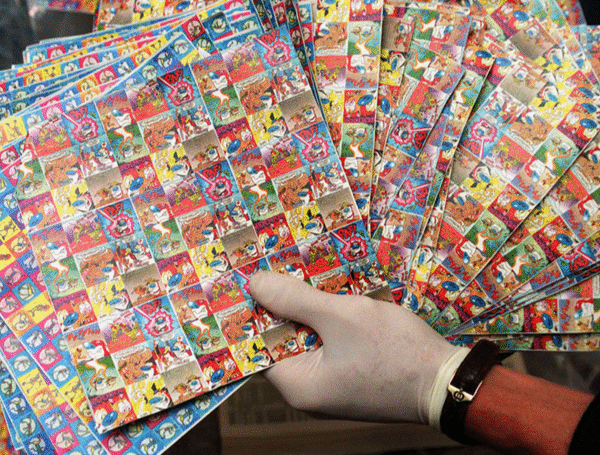
Which country uses LSD the most?
In 2025, the conversation around psychedelics has evolved dramatically. Once confined to counterculture movements, LSD (Lysergic Acid Diethylamide) is now part of global debates on mental health, neuroscience, and wellness. Across the UK, Ireland, Europe, and the USA, LSD use is shaped by shifting laws, research findings, and changing attitudes toward psychedelics.
This article explores verified data, demographic patterns, and policy insights to reveal where LSD use is most prevalent — and what these trends mean for public health, research, and society.
LSD, or Lysergic Acid Diethylamide, is a psychedelic compound discovered in 1938 by Swiss chemist Albert Hofmann. It’s known for altering perception, thought patterns, and mood, often producing vivid sensory experiences or “trips.”
LSD works by affecting serotonin receptors in the brain, especially the 5-HT2A receptor, which influences sensory perception and cognition.
While many users report insights or creativity boosts, LSD can also cause anxiety or confusion at high doses, highlighting the importance of controlled, supervised research use.
According to European Monitoring Centre for Drugs and Drug Addiction (EMCDDA) and UNODC 2025 data, LSD use remains relatively stable worldwide but is increasing among young adults in major Western countries.
| Region | Estimated Adult LSD Users (2025) | Trend Since 2020 |
|---|---|---|
| United Kingdom | 2.7% of adults (approx. 1.5 million) | ↑ Moderate increase |
| Ireland | 1.9% of adults | ↑ Slight increase |
| Europe (average) | 3.0% of adults | ↑ Noticeable growth |
| United States | 4.3% of adults (approx. 11 million) | ↑ Significant rise |
The USA currently ranks the highest among developed nations for reported LSD use, followed by several Western European countries.
In the UK, LSD use has seen a revival, particularly in university towns like London, Manchester, Bristol, and Leeds. The 2025 Global Drug Survey reports that 2.7% of UK adults have tried LSD in the past year — the highest rate since the 1990s.
Experts attribute this rise to:
“The conversation around psychedelics is changing. We’re seeing more curiosity and less stigma,” notes Dr. Alex Hartley, a London-based clinical psychologist.
Ireland’s LSD scene mirrors broader European trends. LSD use is concentrated among students and young professionals aged 18–35.
The Health Research Board (HRB) found in 2025 that 1 in 50 young adults had tried LSD at least once — a slow but steady rise.
Irish researchers at Trinity College Dublin have also joined EU-wide projects investigating psychedelics for mental health, showing growing academic legitimacy.
Across Europe, LSD usage rates vary:
The Netherlands leads Europe in psychedelic research, partly due to its open drug policy and focus on harm reduction.
Germany and Portugal also report rising curiosity toward LSD microdosing within creative and tech communities.
The USA remains the global leader in LSD use, with 4.3% of adults reporting lifetime use.
Several factors contribute:
While LSD remains a Schedule I substance federally, several U.S. cities — including Portland, Denver, and Oakland — have decriminalized possession of psychedelics, signaling a nationwide re-evaluation.
LSD use in 2025 is most common among:
Interestingly, microdosing practices blur generational lines, with many middle-aged professionals participating quietly in wellness-driven psychedelic exploration.
Microdosing LSD — taking small, sub-perceptual doses — has surged in popularity.
Research suggests it may help with focus, mood enhancement, and creativity, though long-term effects are still being studied.
Several European and U.S. startups now support legal psychedelic therapy trials, exploring LSD’s potential for:
| Country | Legal Status (2025) | Notes |
|---|---|---|
| UK | Class A (illegal) | Research allowed with Home Office license |
| Ireland | Controlled substance | Limited research exemptions |
| EU | Varies by country | Netherlands and Portugal most progressive |
| USA | Schedule I federally | Some city-level decriminalization |
While still illegal in most places, the global research environment is rapidly expanding — with dozens of LSD studies registered across the UK, U.S., and EU universities.
Cultural acceptance plays a major role:
Psychedelics are no longer fringe — they’re part of a broader discussion about mental health, spirituality, and creativity.
While LSD is not considered addictive, psychological effects can vary:
Experts emphasize education and harm reduction, ensuring that potential users understand dosage, mental health screening, and setting importance.
2025 marks a turning point.
From London’s Imperial College to Harvard Medical School, major studies are underway exploring LSD’s therapeutic potential.
Predicted developments:
The future is likely to blend scientific research with ethical frameworks for responsible use.
In 2025, the United States leads global LSD use, followed closely by several Western European countries, including the UK and Netherlands.
However, this rise isn’t simply about recreation — it’s a reflection of deeper cultural and scientific curiosity.
As stigma fades, conversations around psychedelics are shifting toward health, therapy, and responsible exploration.
The world’s focus is turning from prohibition to understanding.
1. Which country uses LSD the most in 2025?
The United States has the highest estimated LSD usage rate among major countries.
2. Is LSD legal in the UK or Europe?
LSD remains illegal in most regions, though research is permitted under strict regulation.
3. What is microdosing LSD?
Microdosing refers to taking very small, sub-hallucinogenic doses to improve mood or focus.
4. Is LSD addictive?
LSD is not physically addictive but can cause tolerance and psychological dependence in some users.
5. How is LSD being used in therapy?
Clinical studies explore LSD for treating depression, anxiety, and addiction under medical supervision.
Infographic Suggestion:
“Global LSD Use in 2025: A Statistical Comparison”
→ Chart showing usage rates (UK, Ireland, Europe, USA) + demographic breakdown (age, gender, trend arrows).
💬 Join Telegram Group for ⭐ Reviews & 🔔 Updates Microdosing Psilocybin: Benefits, Risks, and
💬 Join Telegram Group for ⭐ Reviews & 🔔 Updates Can You Buy Ritalin in
💬 Join Telegram Group for ⭐ Reviews & 🔔 Updates Can You Buy Ritalin Online
WhatsApp us